Dave Holland joined Oldham in September 1913 from the Plymouth Devonport club, after enjoying a successful career in Rugby Union.. He was captain of Gloucestershire county, won full England honours and was also capped by Devon county.
A forward of great strength and determination, his first season with Oldham was so impressive that he was selected for the 1914 tour to Australia and New Zealand. He played 37 consecutive matches after his debut on September 6th, 1913 against Dewsbury (the team for this match is featured on the cover of the centenary brochure, that was issued in 1976), before being rested for the last three games, prior to going on the tour. The trip was a huge success for Dave who scored a try on his international debut in the first test against the “Kangaroos”. He played in all three matches against the Aussies and the lone Kiwi test in Auckland. This of course included the famous third test, “Rorke’s Drift”, victory in Sydney.
Like all the players of this era, his number of appearances for the club was restricted by The Great War, but he would return to senior action on the resumption of competitive Rugby in 1919. He played his last match for the club against Leeds at Headingley, on April 23rd, 1921.

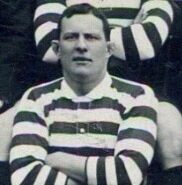
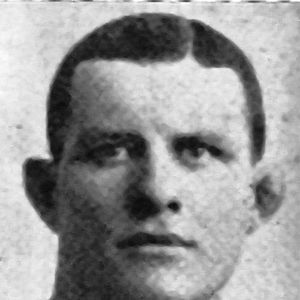
Player profile
Dave Holland joined Oldham in September 1913 from the Plymouth Devonport club, after enjoying a successful career in Rugby Union.. He was captain of Gloucestershire county, won full England honours and was also capped by Devon county.
A forward of great strength and determination, his first season with Oldham was so impressive that he was selected for the 1914 tour to Australia and New Zealand. He played 37 consecutive matches after his debut on September 6th, 1913 against Dewsbury (the team for this match is featured on the cover of the centenary brochure, that was issued in 1976), before being rested for the last three games, prior to going on the tour. The trip was a huge success for Dave who scored a try on his international debut in the first test against the “Kangaroos”. He played in all three matches against the Aussies and the lone Kiwi test in Auckland. This of course included the famous third test, “Rorke’s Drift”, victory in Sydney.
Like all the players of this era, his number of appearances for the club was restricted by The Great War, but he would return to senior action on the resumption of competitive Rugby in 1919. He played his last match for the club against Leeds at Headingley, on April 23rd, 1921.